I need you to sit down for this one.
My friend Emily got married last October. It was a beautiful wedding — outdoor ceremony, string quartet, mason jars with fairy lights, the whole rustic-chic thing. She spent eighteen months planning it. She had a seating chart. She had a color palette. She had a spreadsheet for her spreadsheet.
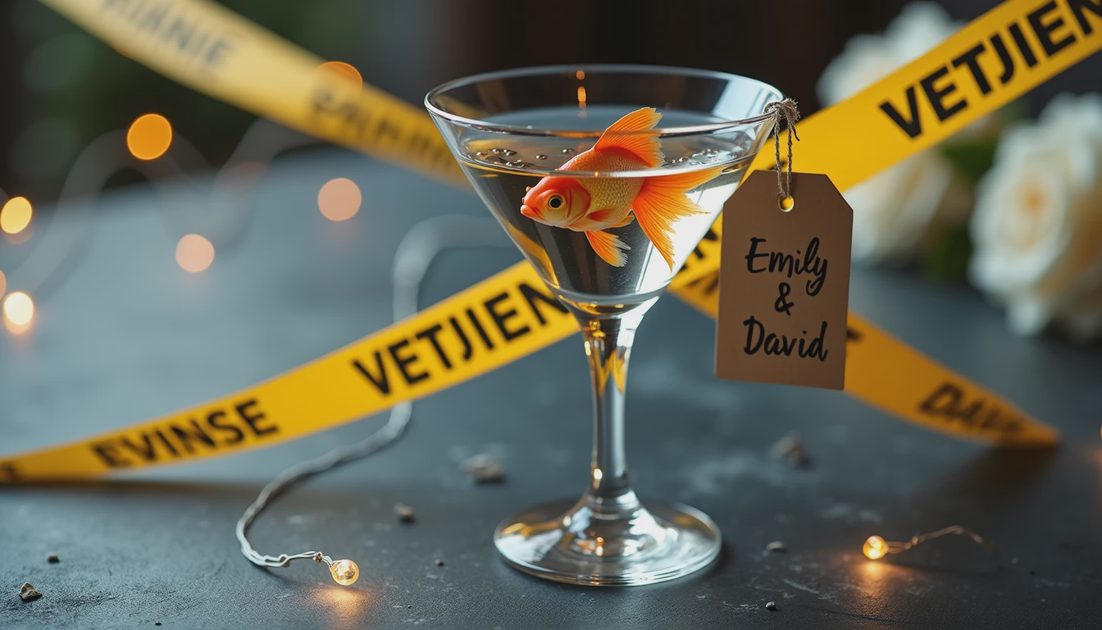
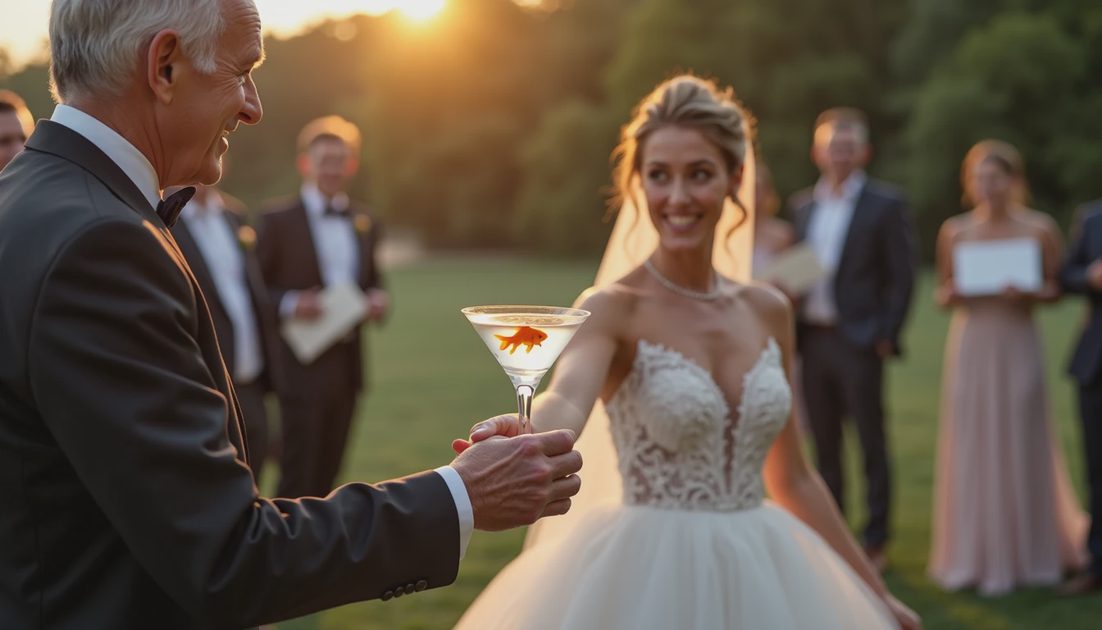
And then her uncle Mark showed up with a live goldfish in a martini glass.
Not a gift bag. Not a card with a gift card tucked inside. A live animal. Swimming in a glass. Handed to Emily and her new husband David in the receiving line, while other guests were offering envelopes and toasters.
Emily smiled. She said thank you. She took the martini glass. She spent the rest of her reception trying to figure out where to put a fish. The venue didn't have a fish policy. The caterer didn't have a fish contingency plan. The goldfish, whose name is now Sushi (Emily's choice, not Mark's), survived the night in a water glass on the bar and now lives in a proper tank in Emily's kitchen.
This is, without exaggeration, one of the most baffling bad gift stories I've ever encountered.
Not because it's expensive. Not because it's thoughtless. It's baffling because it requires active effort to be this wrong. Uncle Mark didn't grab something off a clearance rack. He went to a pet store. He bought a live animal. He transported it. He handed it to a bride who was wearing a $2,000 dress and trying not to get anything on it. This was a project.
Here's the psychological breakdown of what went wrong.
Uncle Mark committed what I call the "Novelty Over Connection" fallacy. He wanted to give something memorable. Something people would talk about. And they did talk about it — just not the way he hoped. He confused "unforgettable" with "thoughtful."
Here's the thing about novelty gifts: they're about the giver, not the recipient. Uncle Mark wanted to be the guy who gave the crazy gift. He wanted the story to be about him. And it is. Every time Emily tells this story, it's about how weird her uncle Mark is. It's not about how seen or loved she felt on her wedding day.
This is a classic case of gift buying psychology gone completely off the rails.
The brain's reward system lights up when you find something "unique." It feels creative. It feels like you've escaped the boring gift trap. But that feeling is a liar. Unique doesn't mean meaningful. It just means nobody else thought to do it. And there's usually a reason for that.
I've watched this pattern for twelve years at Hallmark. Someone comes in looking for something "different." They reject the practical. They reject the registry. They reject anything that feels ordinary. And they walk out with something that makes everyone in the room uncomfortable.
Let me be very clear about what not to buy as a gift.
Live animals. Anything that requires ongoing care. Anything that the recipient didn't explicitly ask for and that has a heartbeat. This is not a grey area. This is a hard line. A goldfish isn't a gift. It's a responsibility. And giving someone a responsibility on their wedding day is not romance — it's a homework assignment.
Emily didn't ask for a fish. She didn't express interest in fish. She didn't have a fish tank. She didn't have fish food. She had a bouquet, a dress, and a desire to eat cake. Uncle Mark gave her something that required immediate action, ongoing maintenance, and a trip to Petco the next morning.
Here's a gift buying psychology framework I want you to remember.
Before you buy anything "unique," run it through this test:
Does this require the recipient to do something they didn't already plan to do? (Goldfish: yes. Requires feeding, cleaning, naming, emotional investment.)
Is this a gift for them or for your ego? (Goldfish: ego. You're the "crazy uncle" now.)
Would I be comfortable receiving this myself on a day I'd planned for eighteen months? (Goldfish: absolutely not.)
What Uncle Mark should have done instead.
Same budget: about $30. Same occasion: Emily and David's wedding. Different approach: buy them something they actually wanted. Their registry had a set of wine glasses on it. Also a salad spinner. Also a gift card to the local hardware store because they'd just bought a house. Any one of these would have been fine. None of them would have required a fish emergency plan.
Or, if Mark insisted on being "memorable," he could have written a heartfelt letter. He could have framed a photo of Emily and her late grandmother. He could have done something that required emotional effort instead of logistical chaos.
The goldfish is still alive, by the way.
Emily's husband David has become very attached to Sushi. They bought a proper tank. They have fish food. They've become goldfish people. Emily says it's the only wedding gift that makes her laugh and cry at the same time. That's not a compliment to Uncle Mark. That's a testament to Emily and David's ability to turn a disaster into a pet.
The right gift says "I see you." The wrong one says "I saw this on sale."
But a live goldfish in a martini glass says something far stranger: "I had an idea, and I didn't think about you even once."
If you're reading this and you've ever considered giving a live animal as a gift — stop. Go to the registry. Buy the salad spinner. No one has ever cried tears of disappointment over a salad spinner.

No comments yet.