I have a confession to make.
For years, I thought I was a good gift-giver. I put thought into it. I avoided the obvious. I bought things that were "unique." And then I'd visit my friend's apartment six months later and find my carefully chosen gift sitting on a shelf, still in its box, untouched.
It wasn't until I started asking people — real people, not gift guides — what gifts they actually kept and used that I realized I'd been doing it all wrong. A survey by Which? found that one in six people keep unwanted gifts even though they never intend to use them . That's a lot of shelf space wasted on good intentions.
So I went looking for the opposite. The gifts that didn't end up in a drawer. The ones people actually reached for, day after day, year after year.
Here are five categories of gifts that real people actually used.
Category One: The "Everyday Upgrade" Gift
The best gifts don't introduce something new. They make something existing better.
One Wirecutter editor received a simple apple corer as a wedding gift years ago. She's since used it on "easily a peck's worth of apples and counting" . Another writer's parents gifted her a Le Creuset saucepan set forty years ago — and it's still in daily use .
The trick is finding the everyday object that's worn out or just "fine." A good-quality kitchen knife. A French press that actually keeps coffee hot. A set of silicone resealable bags that replace disposable ones . These don't sound exciting, but they get used constantly.
It's the kind of gift that says "I noticed what you use every day, and I made it better."
Category Two: The Comfort Gift
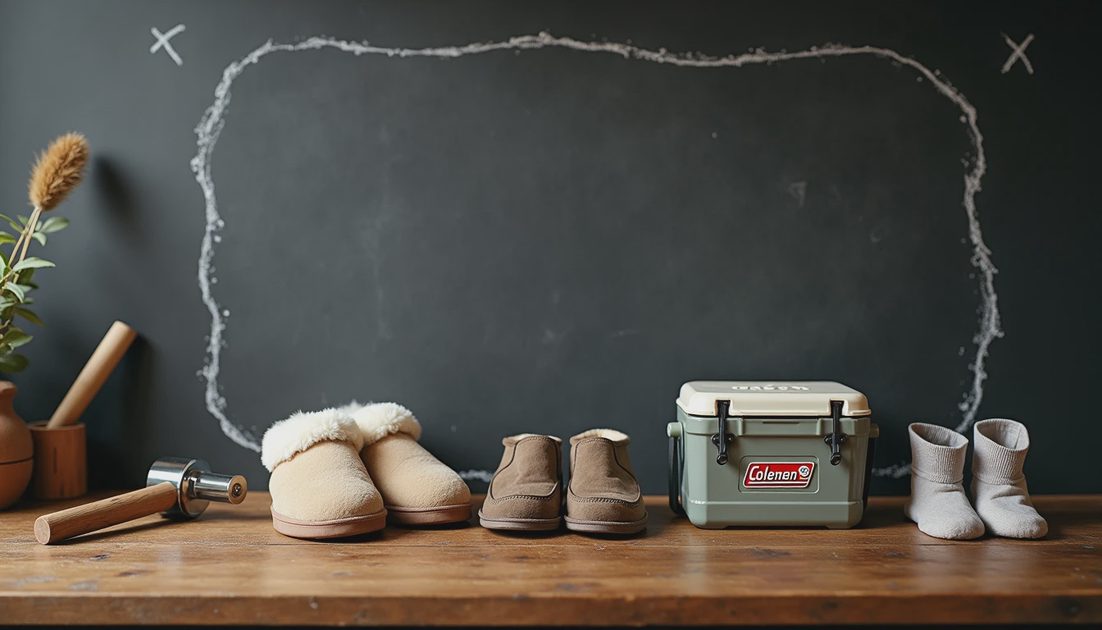
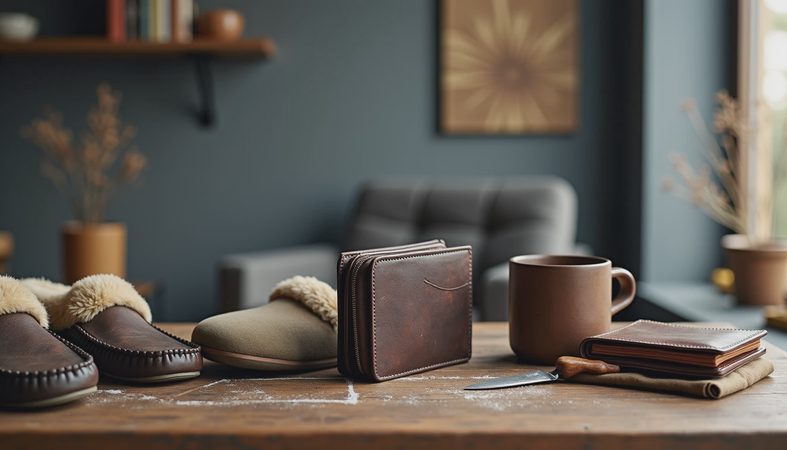
Nobody buys themselves sheepskin slippers. But everyone who receives them wears them until they fall apart .
A soft throw blanket. A silk eye mask that actually blocks light. A waffle robe that's lightweight and breathable . Cozy Earth bamboo pajamas that one NBC editor calls "the only pajamas I've ever owned that fit properly" .

These are gifts that turn a regular evening into something slightly more luxurious. They don't require maintenance. They don't take up counter space. They just make daily life feel a little nicer.
According to behavioral psychologist Jo Hemmings, practical gifts that integrate into daily life create a "positive feeling associated with the gift" that's re-experienced every time it's used . A cozy blanket isn't just a blanket. It's a daily reminder of the person who gave it.
Category Three: The "I Didn't Know I Needed This" Gift
Some of the best gifts are things people didn't know existed — until they unwrapped them and couldn't imagine life without them.
The Clipa2 bag hanger hooks over any table or bar, keeping bags off dirty floors . An apple peeler, corer, and slicer that makes pie prep take minutes instead of hours . A vacuum sealer that one new mom received and "far outlasted any of the flowers, bibs, or other traditional 'new mom' gifts" .
One Wirecutter editor received twist-ties for her charging cords and admitted, "they've been pretty life-changing in organizing my cables" .
These gifts work because they solve a problem the recipient didn't even know they had.
Category Four: The Durable Gift
The "buy it for life" category is a goldmine for gift-givers. These are things built to last decades — and they become part of a household's story.
A Coleman cooler from the 1960s, gifted from grandparents, "still holds ice for nearly a week" . A sewing machine bought new in 1925 still works perfectly . Darn Tough socks come with a no-questions-asked replacement guarantee and are "the only socks hikers swear by" .
A durable gift says "I want this to be part of your life for a long time." Not "I grabbed this on the way over."
Category Five: The Shared Experience Gift
Not every great gift is a thing.
One group of friends decided to stop buying each other gifts entirely — instead, they pool the money for group trips and activities . A cooking class you can take together. A dinner out. A fishing trip.
The Irrational Labs Gift Lab notes that experiences "foster lasting memories, making them more emotionally impactful than physical gifts, which fade" . And there's the added bonus of anticipation — the happiness starts when you plan it, not just when you unwrap it.
The gift isn't the activity. It's the time together.
Here's the common thread in all five categories.
They're not about being clever. They're not about being unique. They're about paying attention to what someone actually uses, needs, or would enjoy.
The right gift says "I see you." The wrong one says "I saw this on sale." But the gift that actually gets used says something even better: "I noticed what matters to you, and I made it a little better."
If you're reading this and you're stuck on what to buy — start with what they already use. Find the worn-out thing. The everyday object. The comfort item they'd never buy for themselves.
Then upgrade it. You'll be the one they think of every time they use it.

No comments yet.