I got this story from a reader named Megan, who emailed me six months after her wedding. She and her new husband were opening wedding gifts in their living room. Her new mother-in-law handed her a beautifully wrapped box with handmade paper and a handwritten tag that read: "I know you like owls."
Megan does not like owls. Megan is, in fact, afraid of birds. Has been since she was seven, when a pigeon flew into her hair at a county fair. She never told her mother-in-law this. She didn't think she had to. She assumed "I know you like owls" was just a polite guess, not a declaration of certainty.
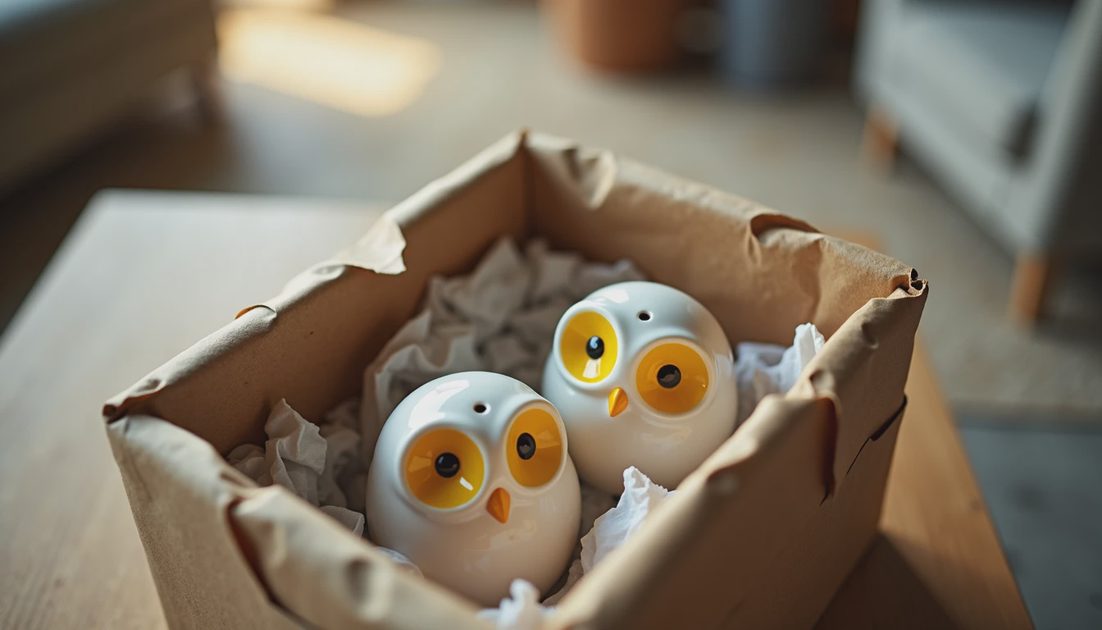
Inside the box was a set of owl-shaped salt and pepper shakers. Ceramic. Big yellow eyes. Beaks that looked sharp enough to draw blood. Megan smiled and said "thank you" and put them in the back of a kitchen cabinet where she wouldn't have to see them. That was four years ago. They're still there.
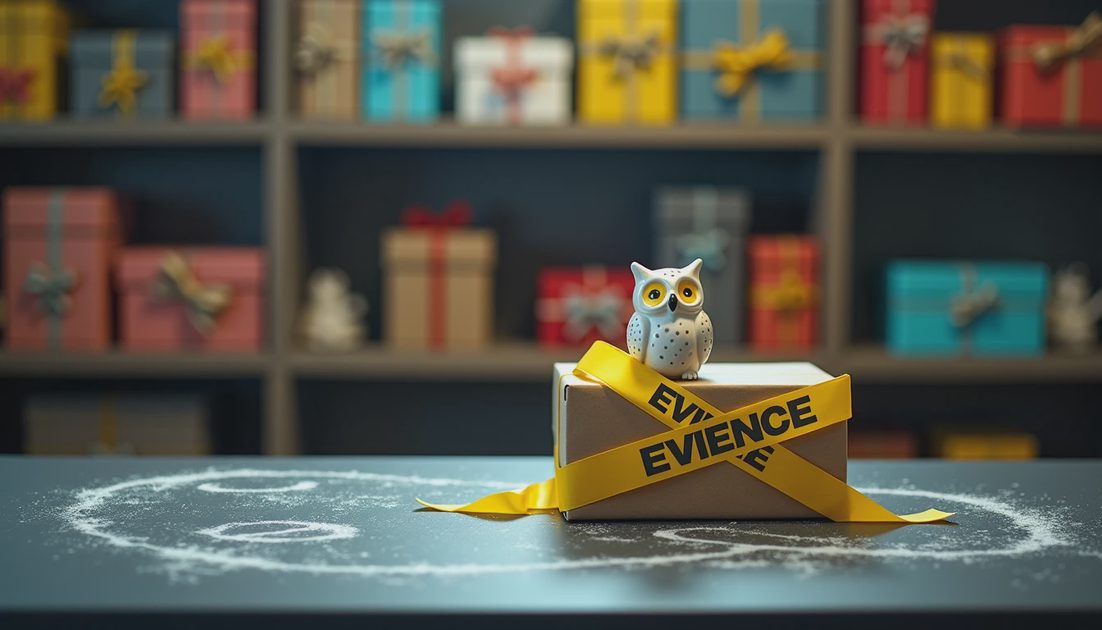
Here's what went wrong. And I mean forensically wrong.
The buyer — the mother-in-law — committed what I call the "Single Data Point Fallacy." She had one piece of information about Megan: at some point, probably years ago, someone mentioned owls in Megan's presence and Megan didn't say "I hate them." That was the entire file. One data point. No confirmation. No follow-up. No "do you actually like owls or did you just say 'that's cute' to be polite?"
This is one of the most common bad gift stories I've ever encountered.
In twelve years at Hallmark, I watched this pattern repeat thousands of times. A buyer grabs one tiny piece of information — a passing comment, a decorative item in someone's house, a social media post from three years ago — and treats it like a complete personality profile. They don't verify. They don't question. They just buy.
The mother-in-law thought she was being thoughtful. She had noticed something. That's more than many gift-givers do. But noticing without verifying is just guessing with extra steps. And guessing, when it comes to gifts, is a gamble with someone else's emotions.
Here's the psychological breakdown of this particular bad gift.
When people panic-shop, their brain defaults to what I call "Pattern Matching" — they grab the most obvious association they have for that person and run with it. She's a woman. Women like owls. Owls are trendy. Done. The brain feels relief because it found something. That relief shuts down the part of the brain that would ask "but is this actually right for her?"
This is a classic gift buying psychology trap. The brain rewards you for finding an answer, not for finding the right answer. So you walk out of the store feeling accomplished, having no idea you just bought a four-year sentence in someone's back cabinet.
What should have happened instead.
Before buying anything themed — owls, dogs, wine, cats, coffee — the buyer should have asked herself one question: "Have I ever actually seen her use, wear, or display something like this?" If the answer is no, put it down. Walk away.
If the mother-in-law wanted to stay in the kitchen-gift zone, she could have bought a simple set of olive oil dispensers. Neutral. Useful. No giant yellow eyes staring at Megan while she seasons her soup. Or, if she was dead-set on the owl theme, a phone call to Megan's husband — "does she actually like owls?" — would have taken 90 seconds and saved everyone four years of cabinet shame.
The real wound isn't the gift. It's the assumption.
Megan didn't cry over the salt shakers. She cried because her mother-in-law looked at her and saw an owl-shaped placeholder, not a person with an actual history. The right gift says "I see you." The wrong one says "I saw this on sale." But the worst one of all says "I assumed I knew you and didn't bother to check."
If you're reading this and you've ever given an owl-themed anything to someone who didn't ask for it — call them. Apologize. Not for the gift. For not asking.


No comments yet.