I'll never forget the first time I saw it happen.
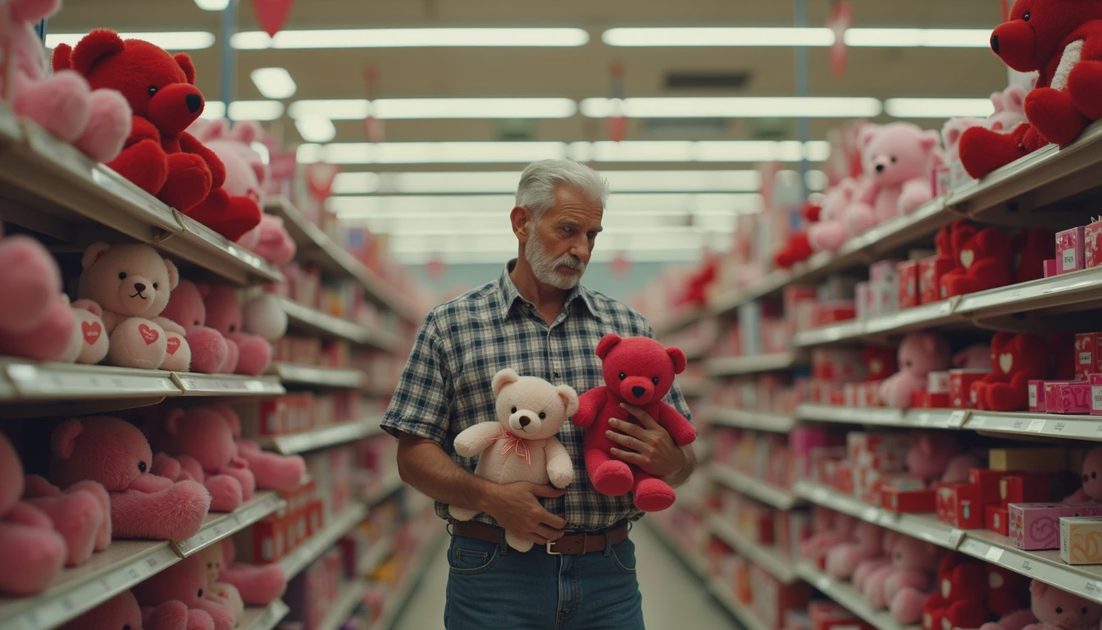
I was twenty-three, three months into my first seasonal buying role at Hallmark's Kansas City headquarters. A man in his fifties stood in the Valentine's aisle for forty-seven minutes — I know because I kept walking past him, pretending to restock — staring at a wall of plush bears. He picked one up. Put it down. Picked up another. Squeezed its paw to hear the recording. Put it down. Walked away. Came back.
Finally, he grabbed a mug that said "Honey" and walked to checkout. Not because his wife was his honey. Because he had no idea what else to do.
That man is why this blog exists.
In twelve years, I watched about 50,000 SKUs move through Hallmark's seasonal gift pipeline.
Roughly half of them, by my estimate, were bought for the wrong person, the wrong occasion, or the wrong reason. I'm not talking about returns — I'm talking about gifts that got opened, smiled at, and then buried in a closet forever. Gifts that said nothing about the recipient and everything about the buyer's panic.
The internet is full of "perfect gift" lists. They're written by people who have never stood in an aisle watching a grown man sweat over a plush bear. They give you thirty options and call it a guide. They don't tell you why you're standing there in the first place.
Here's what the gift industry won't tell you.
Most gift advice is written by people who sell gifts. They want you to buy something — anything. They don't care if it's right. They care if it leaves the shelf. Hallmark was a wonderful place to work, and I learned more about people in those twelve years than I did in any classroom. But the retail machine is designed to move product, not to fix relationships.
The pressure to buy something is the single biggest driver of bad gift giving. That forty-seven-minute man didn't need a mug. He needed someone to tell him "it's okay that you don't know — here's how to find out."
I left Hallmark in 2022 to open The Gift Fix, a one-woman gift-consulting business in Kansas City.
My clients are people who care enough to stress about what to give. They're not lazy. They're not cheap. They're just stuck. They have a boss who has everything. A mother-in-law who likes nothing. A brother-in-law who's "impossible to shop for" — which is never true, by the way. He's just not listening.
And I started this blog because my gift-failure stories were too good to waste on my husband Paul at dinner.
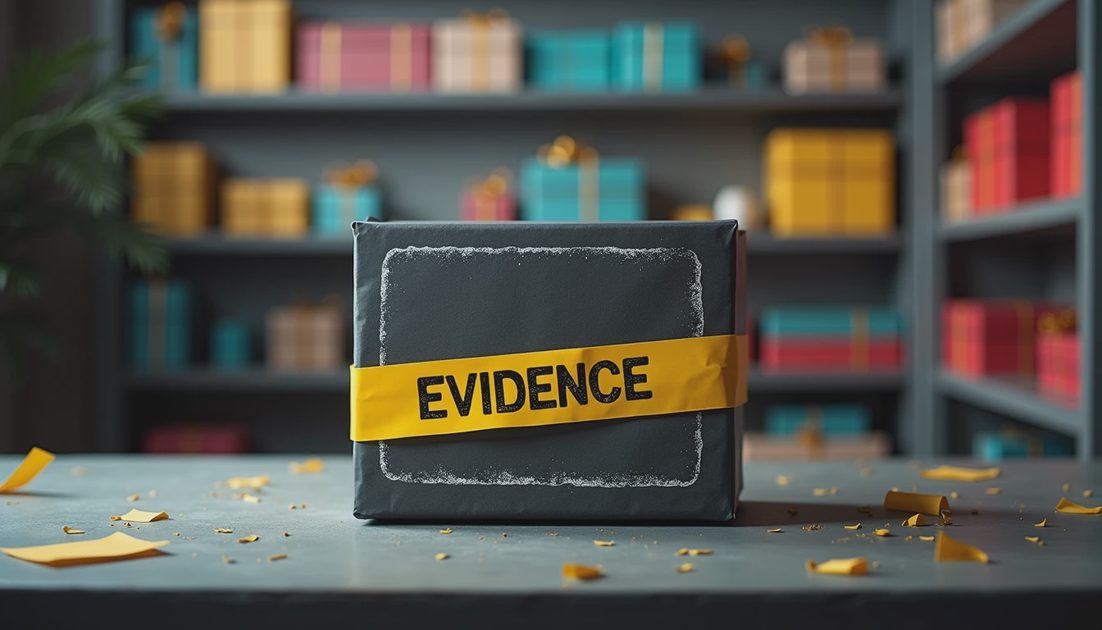
The Gift Autopsy doesn't do lists. It does forensics.
Every post starts with a real gift-failure — a reader submission, something I witnessed in the Hallmark aisle, or one of Paul's contributions to my Shelf of Shame (current exhibit: a taxidermied armadillo clutching a shot glass). Then I dissect it. I tell you exactly what went wrong, why the buyer's brain tricked them, and what the right call would've been.
No forced uplift. No "the real gift was friendship." Just the truth about bad gifts and a concrete fix.
The right gift says "I see you." The wrong one says "I saw this on sale."
But the worst one of all — the one that happens thousands of times a day in stores across America — says nothing at all. It's a placeholder. A mug with a word on it. A scented candle. Something that filled a shopping cart but not a relationship.
If you've ever stood in an aisle wondering what the hell to buy, you're not the problem. The system is. And this blog is my attempt to fix it — one autopsy at a time.
Welcome.
— Quinn Hollis
(Kansas City, MO)


No comments yet.